The Role of Edible Butter on European Dining Tables in 2026
The Role of Edible Butter on European Dining Tables in 2026
Introduction
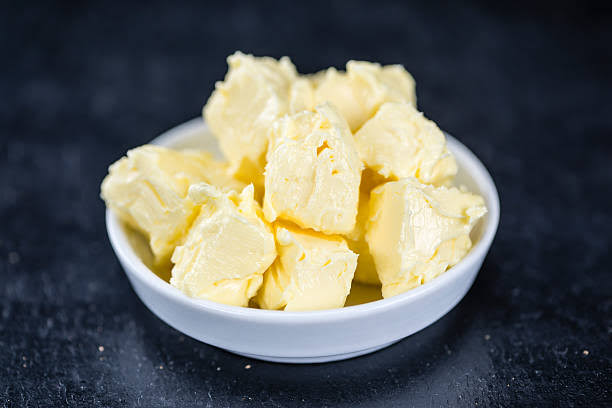
Butter is not merely a dairy product; it is one of the pillars of European table identity. From Parisian croissants to a slice of rye bread in Berlin, butter serves as a cultural element, not just an ingredient, holding a special place in European cuisine and nutrition. In 2026, per capita butter consumption in the European Union reached 5.3 kg, up from 4.6 kg in 2024. This growth is occurring while wholesale butter prices in Europe have fallen by 27%, making butter more accessible to European consumers than ever before.
The European Butter Market in 2026: Ample Supply, Falling Prices
After a period of sharp price correction in 2025, the EU butter market showed signs of recovery in early 2026. However, widespread milk production and abundant supply intensified downward pressure on prices. The European wholesale butter price fell from €542 per 100 kg at the end of 2025 to €396 in mid-2026. Raw milk purchases in the EU increased by 4.6% in the first quarter of 2026, and butter stocks grew by nearly 9%, while export demand could not absorb the surplus.
Yet this price decline does not mean lower consumption. On the contrary, butter consumption in the EU rose from 2.1 million tons in 2024 to 2.4 million tons in 2026. This phenomenon shows that butter in Europe is not a luxury or marginal good, but a daily table necessity whose demand remains stable even under changing economic conditions.
Butter Consumption in European Countries: From France to Denmark
Butter consumption in Europe has a distinct geographic pattern rooted in history, climate, and agricultural traditions. France, with per capita consumption of about 8 kg per year, is one of the world’s highest consumers. This is roughly 1.5 times the EU average and reflects the central place of butter in French cuisine. Paul Bocuse, the legendary French chef, said: “Without butter, without eggs, there is no reason to come to France.”
Denmark is also one of the world’s highest per capita butter consumers, alongside France and Bahrain at the top globally. In Central and Eastern Europe, butter consumption is growing with disposable income, though it still lags behind Western Europe.
The Netherlands, as one of the world’s largest dairy producers and exporters, has a long tradition of butter consumption. Bread with butter is part of Dutch breakfast culture, and waffles and traditional desserts widely use butter. However, the Netherlands has seen an interesting shift in recent years: increased use of olive oil alongside butter, especially among the younger generation and urban residents. This phenomenon, sometimes called the “southernization” of the Dutch diet, reflects globalization and health awareness on the European table.
Butter in European Cuisine: From Breakfast to Professional Cooking
In European cuisine, butter plays a role beyond that of a simple fat. In Northern and Central Europe — including Germany, Poland, and parts of France — butter is the primary fat for cooking, frying, and preparing sauces. This pattern is linked to the colder climate and strong livestock traditions of these regions.
In professional European cuisine, butter has become a determinant of quality. In 2026, European chefs see butter not as an additive but as a “base” that allows ingredients to express themselves without interference. At The Sportsman in Whitstable, England, butter is made from the cream of Jersey cows from a local herd grazing on a specific farm, flavored with sea salt harvested from the region’s Iron Age tradition.
Butter in Europe is also recognized as a terroir product — its taste is tied to place, soil, and production tradition. Salted butter from Brittany is a prime example: through a historic tax exemption, salted butter became a symbol of regional identity. This link between butter and local identity has also made it a key element in European food tourism marketing.
Health-Oriented Shifts and the Redefining of Butter’s Place
One important development on the European table in 2026 is the redefining of butter’s place within health and nutrition. For decades, butter was criticized as a source of saturated fat, and margarine was recommended as a healthier alternative. But this paradigm is changing. Demand for natural, minimally processed products, along with a scientific re-evaluation of saturated fats, has revived butter’s status. The organic, grass-fed, AOP, and artisanal butter segments are growing faster than the general market, driven by culinary trends and the search for quality and authenticity.
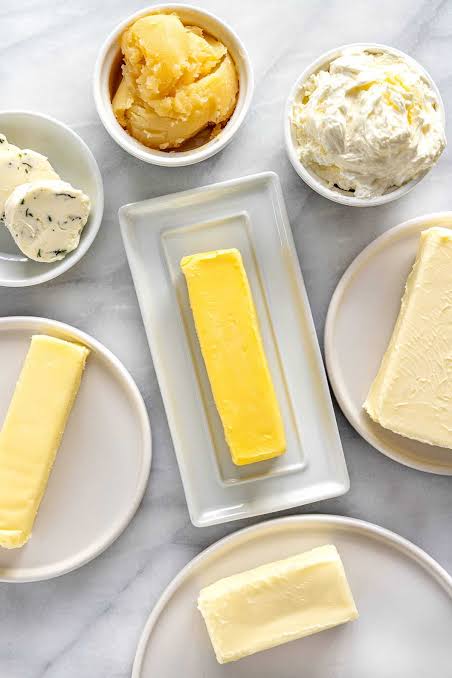
Alongside this shift, compound and flavored butters are also expanding. Butters blended with herbs, spices, and even miso and sumac have become popular in European kitchens, becoming a bridge between dairy tradition and culinary innovation.
Outlook 2026–2035: The Future of Butter on the European Table
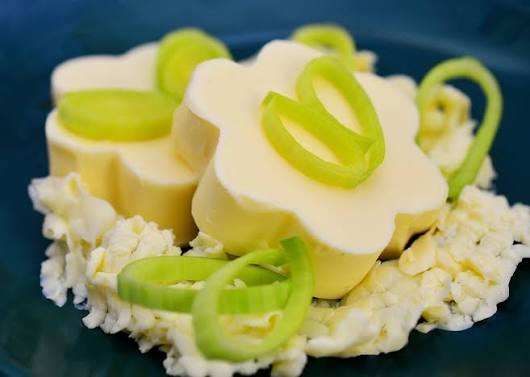
The future of butter in Europe faces both challenges and opportunities. On one hand, volume growth in Western European markets has reached saturation and is expected to stabilize at low or very low single-digit growth. Real growth will come from Central and Eastern Europe, where rising disposable income will gradually increase butter consumption.
On the other hand, “value migration” toward premium and specialty products will continue. Low-carbon or carbon-neutral butter production is expected to become a mainstream segment by 2035, not a niche market. Digital traceability and supply chain transparency will also become standard expectations in B2B purchasing and key tools for B2C branding.
However, butter in Europe faces increasing competition from plant-based alternatives. Fermentation-derived dairy fats may enter the market after 2030, initially in hybrid products. But experience shows that in European food cultures — especially in France, the Netherlands, and Denmark — butter holds a place that is difficult for industrial substitutes to challenge.
Conclusion
Edible butter in 2026 remains one of the pillars of the European table. Per capita consumption in the EU has reached 5.3 kg, and even a 27% drop in prices has not reduced demand. From France, with 8 kg per capita, to the Netherlands and Denmark, butter is not just a food but part of cultural identity, culinary tradition, and even the tourism economy. Health-oriented shifts and the rise of premium and sustainable products are pushing the future of butter in Europe toward diversity and specialization, but its central place on the European table appears firmly established.
For more info in export butter call us in
Nonadshop.com
Parvisico.com